
Clinically reviewed patient education

Dental answers grounded in current clinical guidance.

Plain-language guidance on root canals, tooth infections, gum disease, implants, dental imaging, and when a problem needs urgent care.

Start Treatment Finder
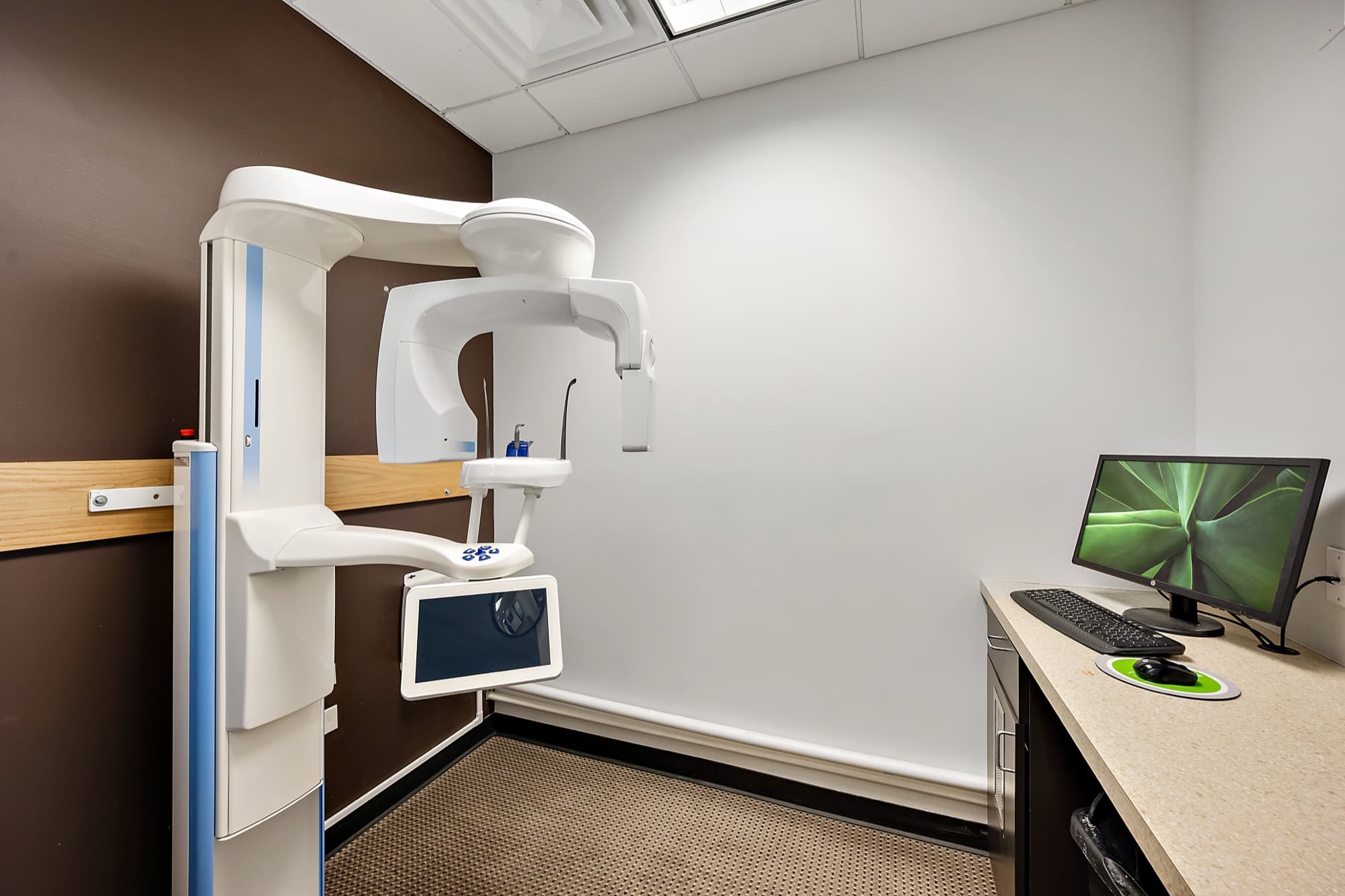
Dental imaging room at Brightly Dental Parker West
What the evidence says

Six questions worth answering before treatment.

Each guide summarizes guidance from a national health agency, professional association, or peer-reviewed clinical guideline. The sources are linked so patients can read them directly.

Root canals: what the procedure actually treats

Root canal treatment removes inflamed or infected tissue from inside a tooth, then cleans, fills, and seals the space so the natural tooth can often be kept.

  • Local anesthetic is used; the purpose is to stop the source of pain, not create more pain.
  • A cracked or deeply decayed tooth still needs an exam to determine whether it can be restored.

Antibiotics and tooth infections

Antibiotics are not the main treatment for most toothaches. The dental source usually needs treatment, while antibiotics are reserved for situations such as infection with systemic symptoms.

  • A prescription may calm spread in selected cases, but it does not repair a crack, remove decay, or clean an infected root canal.
  • Facial swelling with trouble breathing or swallowing needs emergency medical care.

Bleeding gums and deep cleaning

Bleeding, swollen gums and deeper pockets can signal periodontal disease. Gum measurements and X-rays help determine whether a regular cleaning, scaling and root planing, or specialist care is appropriate.

  • Tartar cannot be removed with brushing and flossing alone.
  • Treatment works best when professional care is paired with daily plaque control and appropriate maintenance.

Dental implants: planning and long-term care

Dental implants can support crowns, bridges, or dentures, but candidacy depends on health, bone, gum condition, healing, and the ability to keep the area clean over time.

  • Smoking and uncontrolled health conditions can affect healing and long-term success.
  • Implants still need daily cleaning and regular professional maintenance.

When dental X-rays or 3D imaging are useful

Imaging should answer a clinical question. The dentist first reviews symptoms and examines the mouth, then selects 2D or 3D images when they are needed for diagnosis or treatment planning.

  • X-rays can reveal decay, infection, bone loss, root position, and other findings that are not visible during an exam.
  • The type and number of images should be based on the individual patient, not a one-size-fits-all schedule.

Saving a tooth versus removing it

A painful tooth is not automatically an extraction. The decision depends on crack depth, remaining tooth structure, infection, gum and bone support, prognosis, and the full cost of replacement if the tooth is removed.

  • Root canal treatment may preserve a restorable natural tooth.
  • When a tooth cannot be saved predictably, extraction and replacement planning should be discussed together.
Pain or swelling today?

Use the guide, but do not wait on urgent symptoms.

Call for severe or worsening pain, facial swelling, trauma, uncontrolled bleeding, or a knocked-out adult tooth. Trouble breathing or swallowing, swelling near the eye, major facial trauma, or feeling seriously ill requires emergency medical care.

Still unsure what applies to you?

Choose Parker West or Lafayette, then call, text, book, or start with your symptoms. A dental exam is the only way to diagnose the problem.